
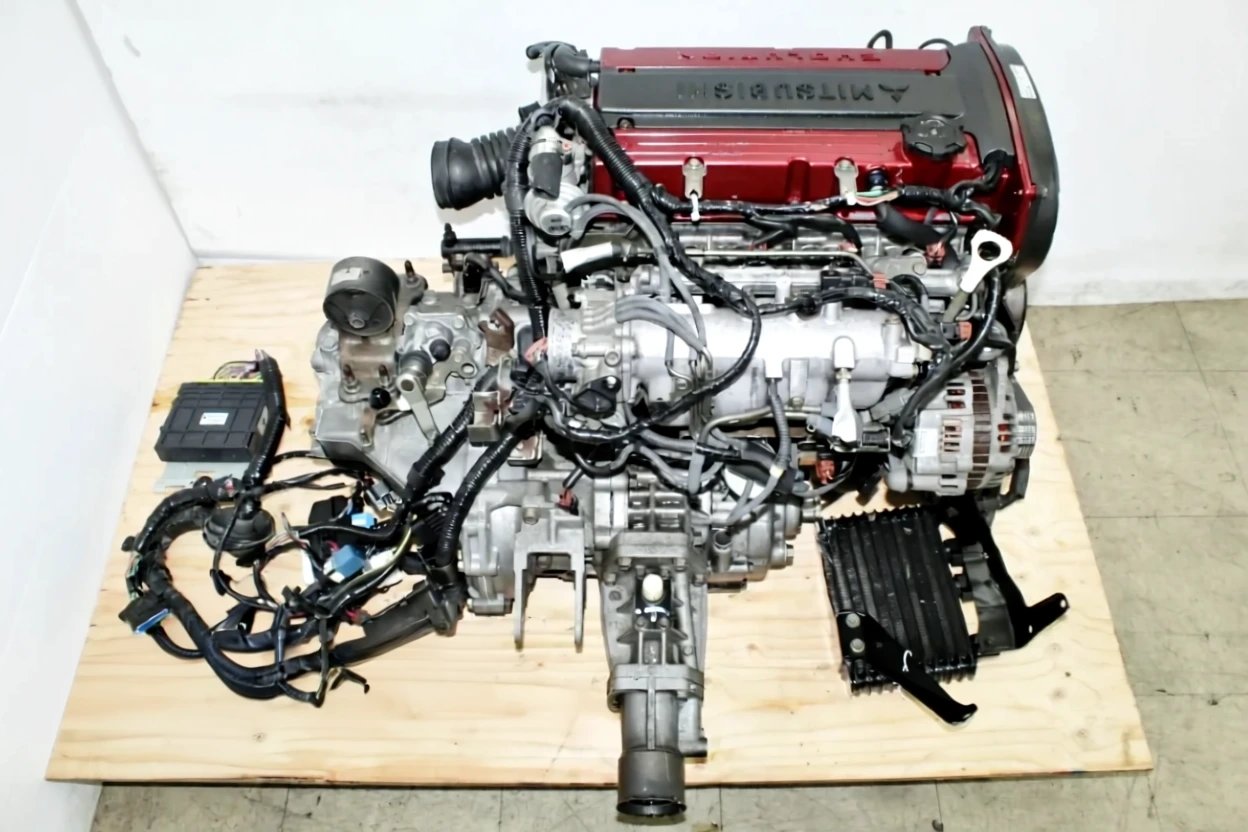
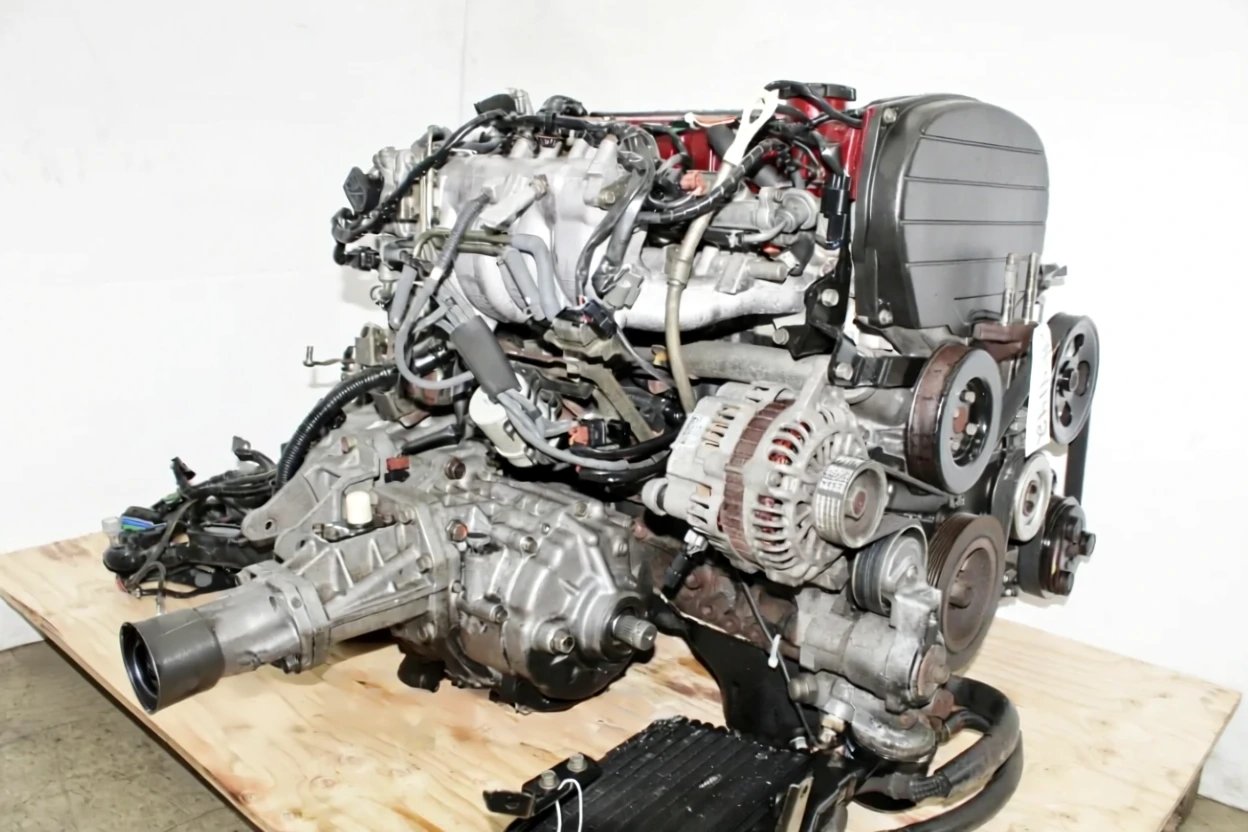
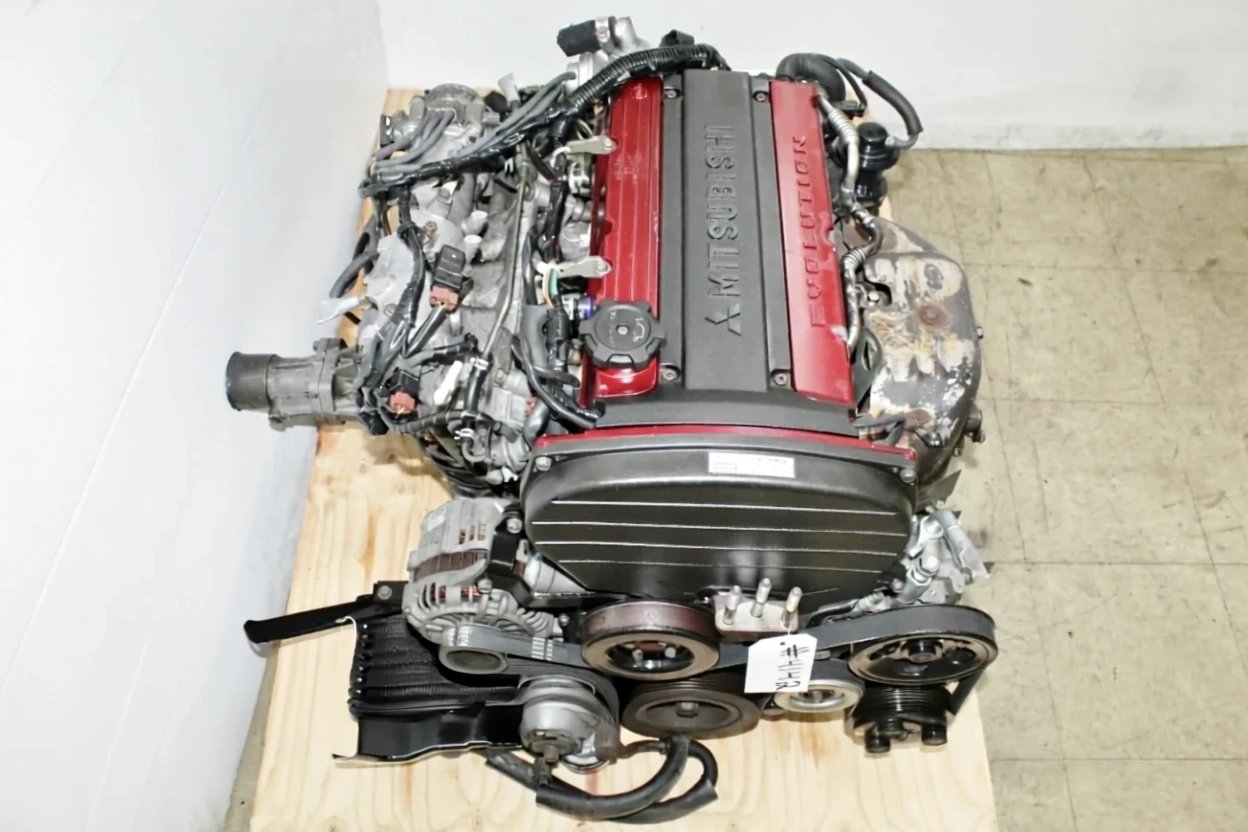
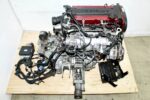
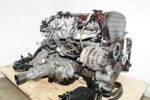
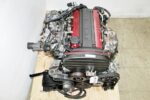
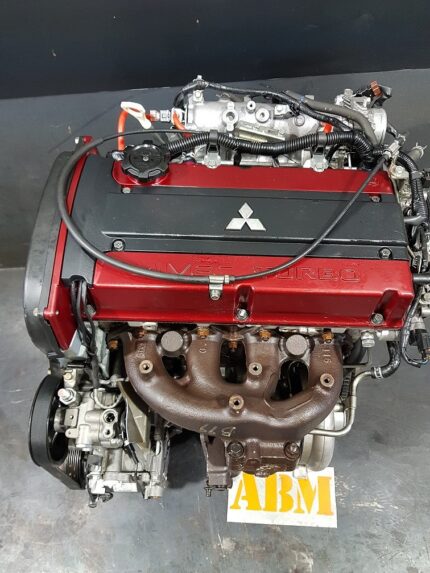
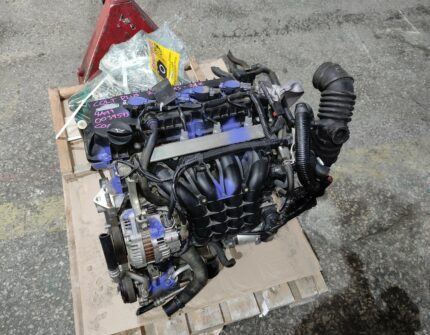
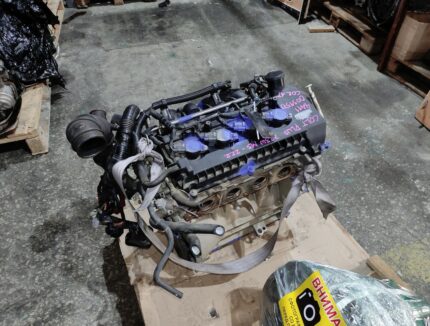
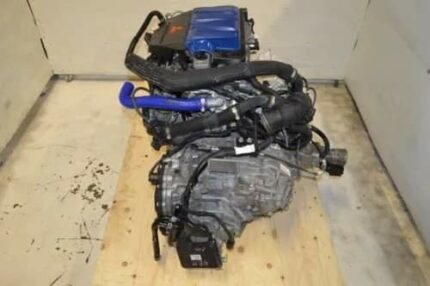
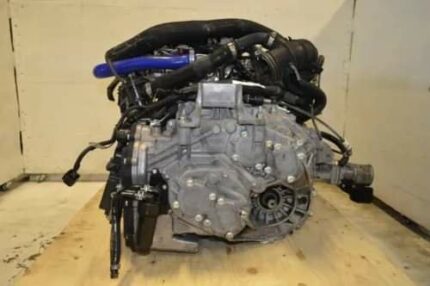
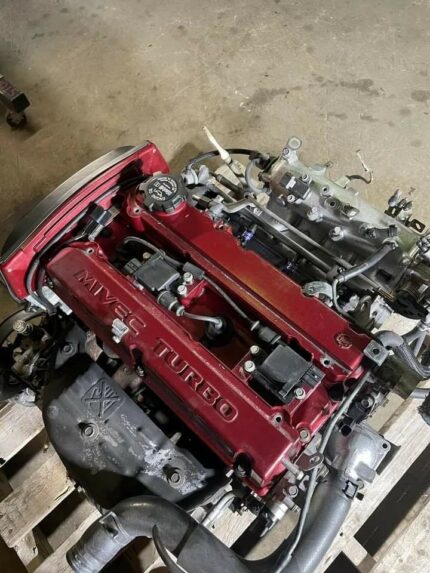
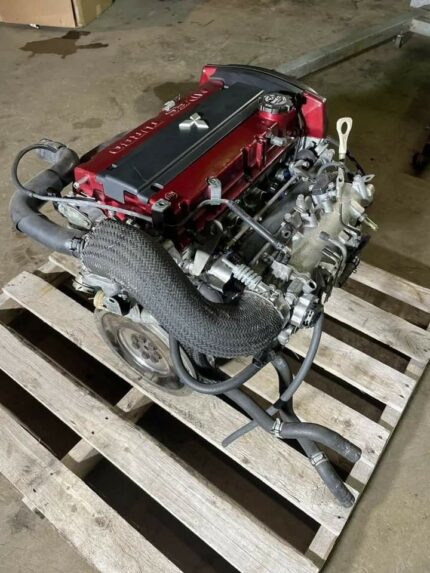
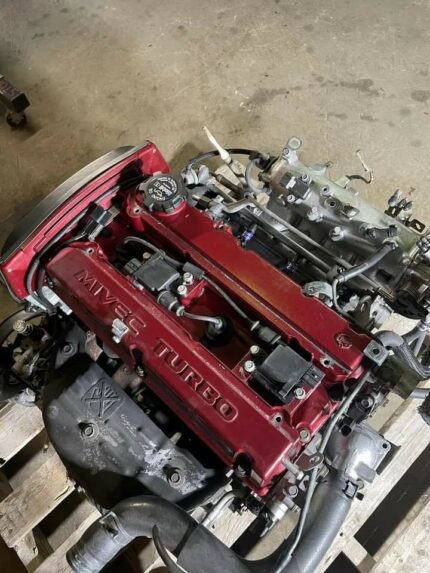
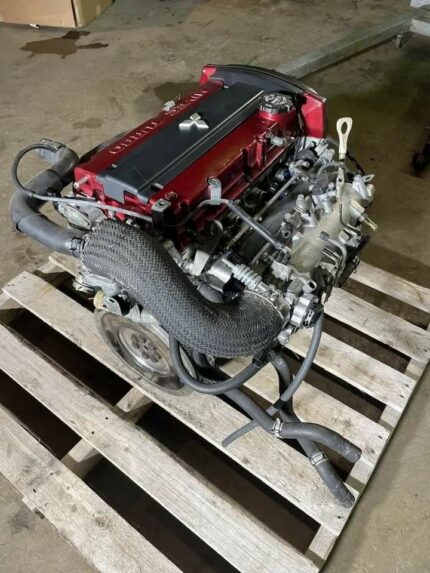
The JDM Mitsubishi Evolution VII (Evolution 7) powertrain features the iconic 2.0L 4G63T twin-scroll turbo engine paired with a rugged 5-speed manual AWD transmission. Produced between 2001 and 2003, this specific generation marked a major technological leap, introducing the Active Center Differential (ACD) to optimize torque distribution.
Engine Specifications (4G63T)
Configuration: Inline 4-cylinder, DOHC, 16 valves.
Displacement: 1,997 cc (2.0 Liters).
Induction: Twin-scroll TD05HR-16G6-9.8T turbocharger.
Factory Power: ~276 hp (280 PS) @ 6,500 RPM.
Factory Torque: ~283 lb-ft (385 Nm) @ 3,500 RPM.
Block Material: Heavy-duty cast iron block with an aluminum cylinder head.
Transmission & AWD System
Gearbox: 5-speed manual (highly favored over the Evo 8/9 6-speed for high-horsepower builds due to thicker, stronger gears).
Center Diff: First Evo to use the Active Center Differential (ACD) with three electronically controlled modes: Tarmac, Gravel, and Snow.
Rear Diff: Mechanical Limited Slip Differential (LSD) or Active Yaw Control (AYC), depending on the specific trim package (GSR vs. RS).
Critical Buying & Swap Checklist
Vehicle Compatibility: Directly fits CT9A chassis platforms. Standard Lancer models require extensive fabrication, a transmission tunnel modification, and a complete floor pan swap to accommodate the AWD drivetrain.
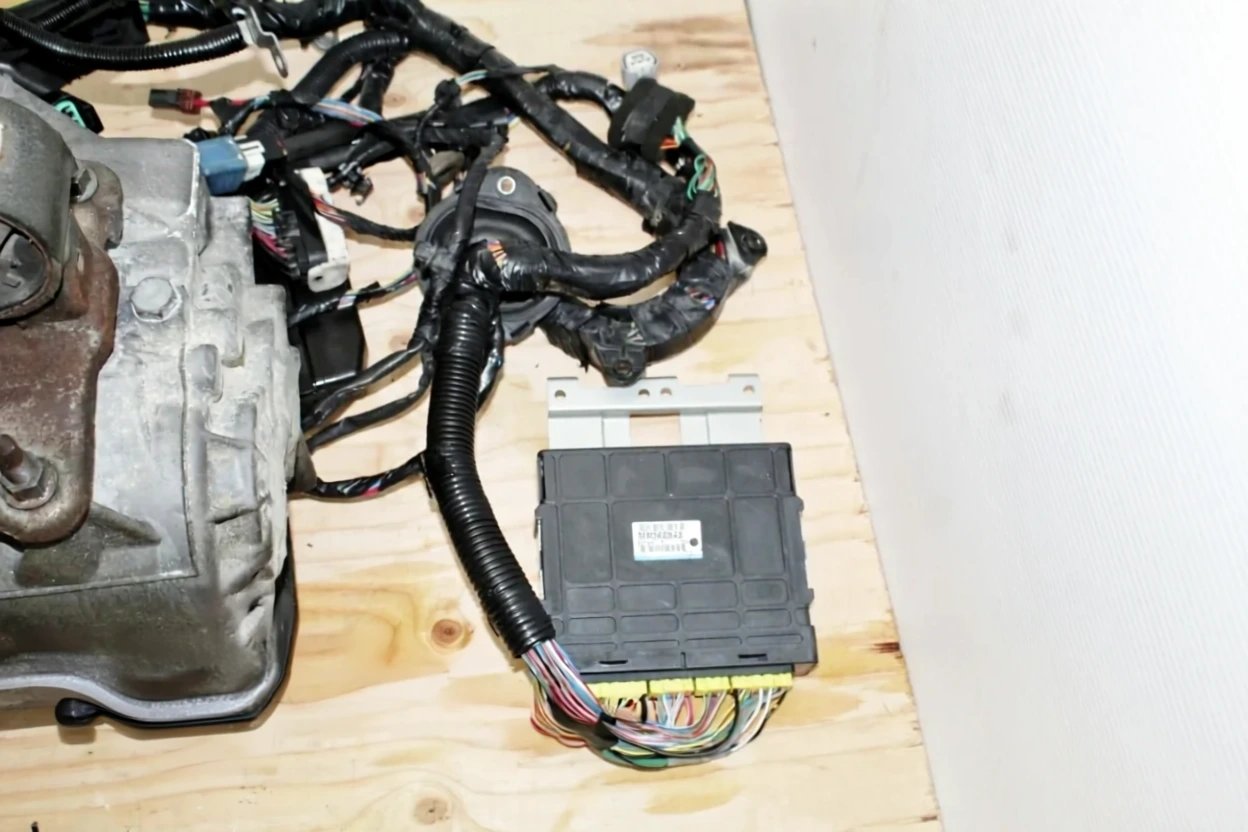
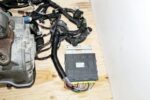
Wiring & ECU: This JDM engine utilizes an open-loop MAP sensor configuration rather than the MAF setup found in some USDM models. Ensure the engine wiring harness and matching JDM ECU are included.
Compression Testing: Always request a cold and warm compression test before purchasing. Standard healthy numbers should read between 150–170 PSI per cylinder, with no more than a 10% variance between them.
Transfer Case Inspection: Inspect the transfer case aluminum housing for hairline fractures, as launching these vehicles can stress the drivetrain components.
$5500. #lancer #evo7 #mitsubishi #evo789.






Reviews
There are no reviews yet.